
All Visitors and the Tells You Should Not Ignore
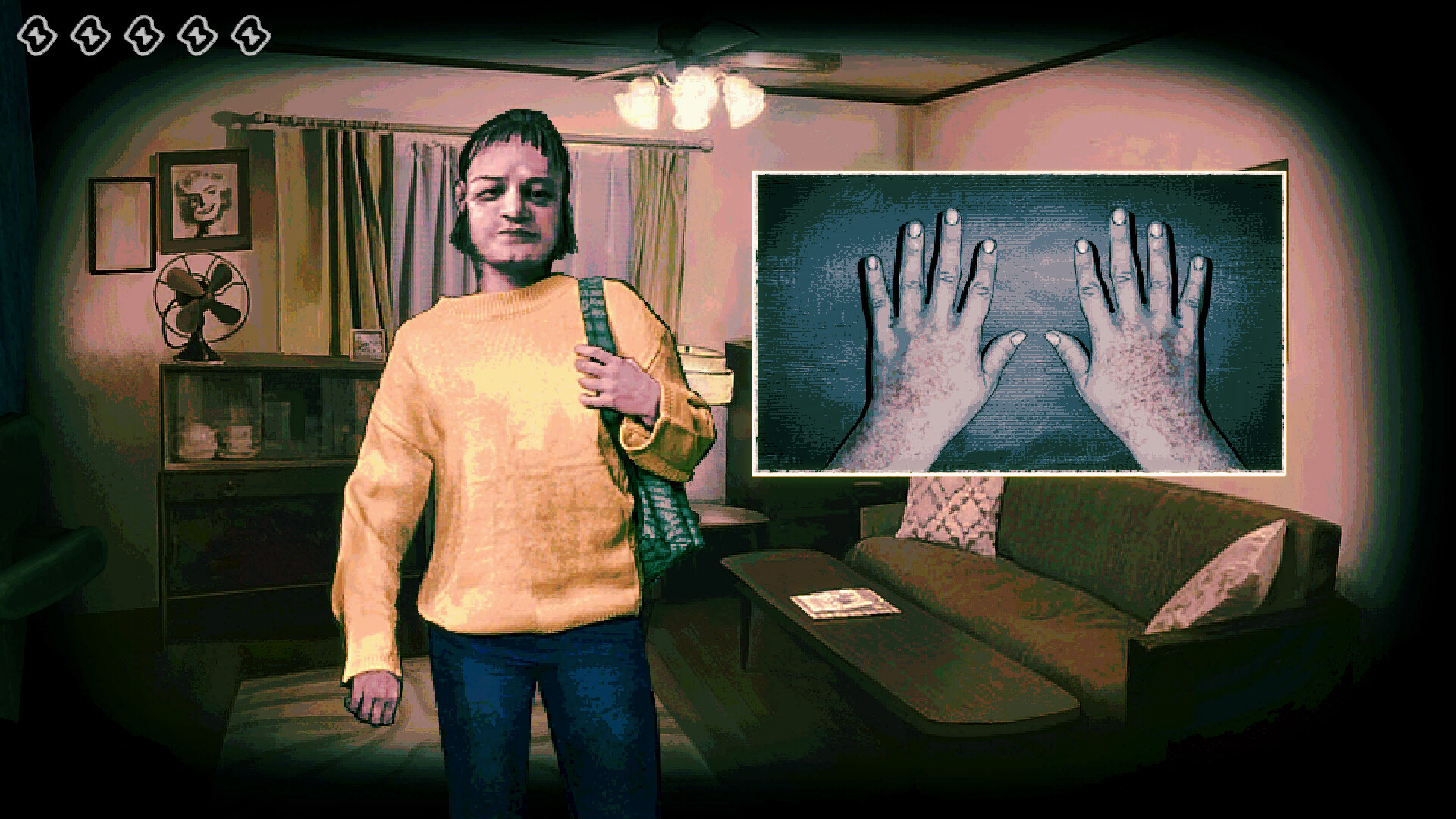
Nightly broadcasts reveal new tells day by day, building your No, I'm not a Human identification arsenal over time. No, I'm not a Human visitors show tells that are physical markers (teeth, nails, eyes), others emerge through behavior or dialogue patterns. Humans can show tells by coincidence, and Visitors won't always present every expected sign. This No, I'm not a Human all visitors compendium focuses on practical recognition under time pressure and optimal energy allocation for maximum household safety.
Daily News and Tell Evolution
How the Broadcast System Works
Each morning begins with a news broadcast that introduces or reinforces identification techniques. Early broadcasts focus on obvious physical abnormalities: dental irregularities, nail discoloration, or eye clouding. As nights progress, the broadcasts reveal increasingly subtle markers: specific word choices, reaction timing, or contextual inconsistencies that require careful observation to detect.
The tell evolution system serves multiple purposes beyond tutorial progression. It reflects the ongoing adaptation of both Visitors and human survivors, creating an arms race between identification techniques and mimicry sophistication. Players must continuously update their examination priorities as new information becomes available, preventing the development of static checking routines.
Information Reliability and Source Verification
Not all broadcast information carries equal weight. Early-stage tells tend to be more reliable and easier to verify, while advanced tells often require subjective interpretation. The game tracks your success rate with different tell categories and may emphasize certain types in your broadcasts based on your demonstrated strengths and weaknesses in identification.
Community players on the Steam Community hub have documented the complete tell progression timeline, allowing experienced players to anticipate upcoming identification challenges and prepare examination strategies accordingly.
Examination Types and Energy Costs
Physical Inspection Methods
Physical examinations consume the most energy but provide the highest certainty results when tells are present. Dental examination reveals tooth uniformity, unusual spacing, or discoloration patterns that Visitors struggle to replicate perfectly. Nail inspection focuses on growth patterns, embedded dirt consistency, and reaction to pressure that can indicate non-human physiology.
Eye examination requires close proximity and good lighting, consuming moderate energy while revealing pupil response irregularities, sclera discoloration, or focus tracking problems. Skin examination can reveal texture abnormalities, temperature variations, or healing patterns inconsistent with claimed recent experiences.
Conversational Analysis Techniques
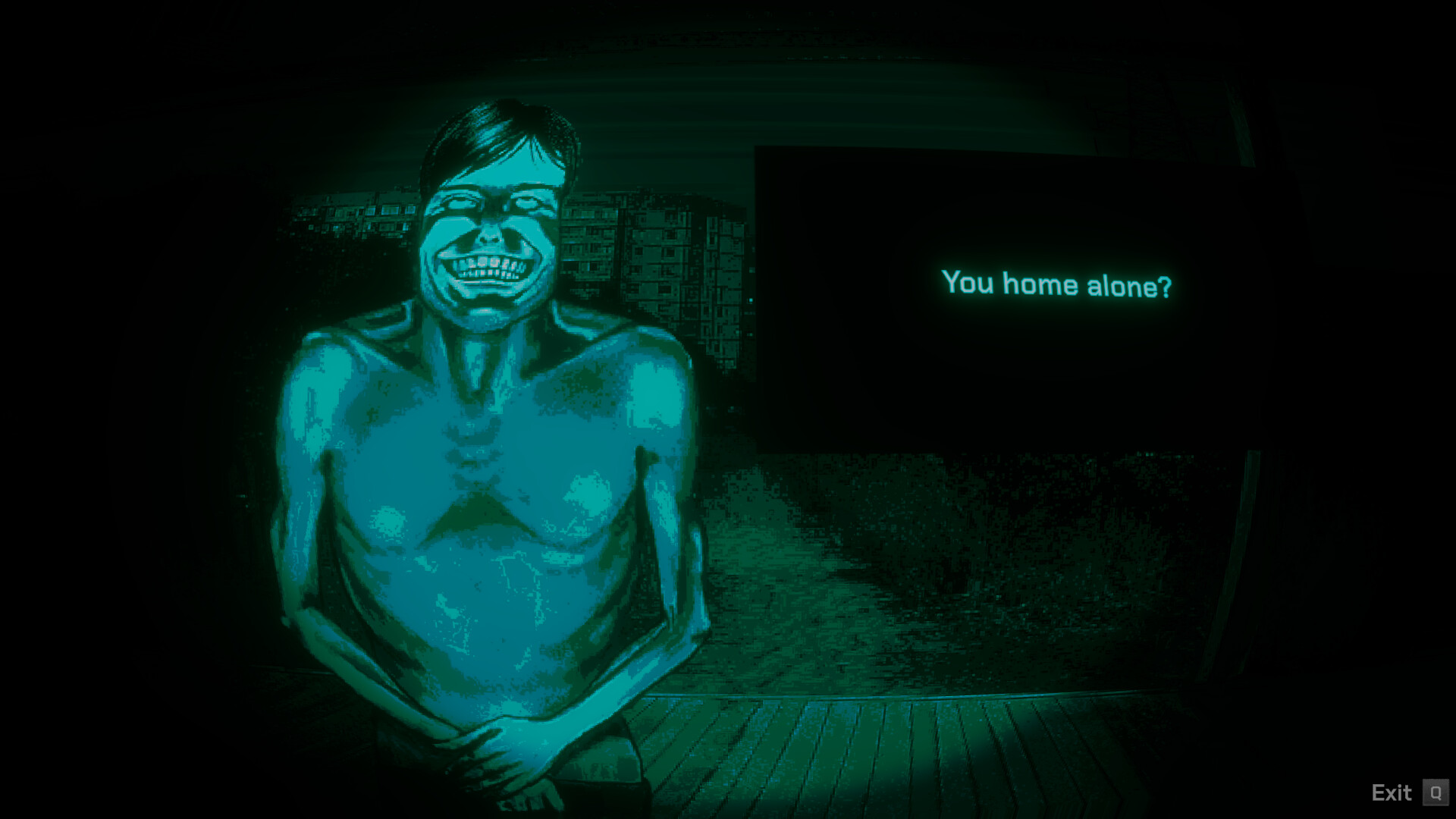
Dialogue-based examination offers excellent energy efficiency while revealing behavioral tells that physical inspection cannot detect. Strategic questioning about local geography, recent events, or personal history can expose knowledge gaps or response patterns characteristic of Visitor mimicry attempts.
Advanced conversational techniques include emotional trigger testing, where specific topics or memories are introduced to gauge authentic emotional responses. Visitors often struggle with appropriate emotional scaling or may exhibit delayed reactions that feel artificial to experienced observers.
Contextual and Background Verification
Background verification consumes minimal energy but requires accumulated knowledge about local conditions, recent events, and social networks. This examination type focuses on consistency: do the visitor's claimed origins, travel routes, and survival strategies align with known conditions in those areas?
Contextual examination includes timing analysis (why did they arrive at this specific time?), possession consistency (do their belongings match their claimed background?), and social knowledge verification (do they know people or places they claim to know?).
Physical Identification Markers
Dental and Oral Indicators
Tooth examination remains one of the most reliable identification methods across all game stages. Visitors typically exhibit unnaturally uniform dental alignment, absent wear patterns that should exist based on claimed age and diet, or unusual coloration that suggests non-human dental development. Advanced players learn to identify subtle spacing issues or enamel quality differences that indicate artificial construction.
Oral tells extend beyond tooth structure to include gum coloration, tongue texture, and saliva consistency. Visitors may struggle to replicate the natural variations in oral health that humans exhibit, particularly stress-related changes like teeth grinding marks or nutritional deficiency indicators.
Nail and Skin Analysis
Fingernail examination focuses on growth patterns, embedded substances, and structural integrity. Human nails accumulate dirt, show wear patterns from daily activities, and exhibit stress-related changes like ridging or discoloration. Visitors often present nails that appear too clean, uniformly shaped, or lack the microscopic damage patterns consistent with survival activities.
Skin examination requires understanding normal human variation under apocalyptic conditions. Survivors should show sun damage, dehydration effects, minor injuries, and healing patterns. Visitor skin often appears too perfect or may exhibit healing that doesn't match claimed recent experiences.
Behavioral and Dialogue Patterns
Response Timing and Natural Flow
Human conversation exhibits natural rhythms: brief pauses for thought, emotional inflection changes, and spontaneous corrections or clarifications. Visitors often struggle with response timing, either answering too quickly (suggesting pre-programmed responses) or too slowly (indicating processing delays). They may also maintain unnaturally consistent emotional tone throughout conversations.
Advanced behavioral analysis includes observing micro-expressions during sensitive topics, watching for authentic surprise or confusion responses, and noting whether emotional reactions align appropriately with conversation content. Visitors frequently exhibit delayed or inappropriate emotional responses that feel rehearsed rather than authentic.
Knowledge Gaps and Inconsistencies
Visitor dialogue often contains subtle knowledge gaps about human experiences, local conditions, or recent events. They may demonstrate perfect recall of factual information while lacking the emotional context or personal opinions that humans naturally attach to experiences. This pattern suggests information gathering without genuine experience.
Strategic questioning techniques can exploit these gaps by asking for opinions rather than facts, requesting specific sensory memories, or discussing emotional reactions to shared traumatic events. Visitors typically struggle with subjective information and may provide responses that feel accurate but emotionally hollow.
Energy Management Strategies
Priority-Based Examination Systems
Effective No, I'm not a Human energy management requires developing a systematic approach to guest examination that maximizes information gain while preserving resources for critical decisions. Experienced No, I'm not a Human players typically begin with low-energy conversational analysis to identify obviously suspicious guests, then allocate intensive physical examinations to the most questionable cases.
Energy allocation should account for the number of guests, your confidence level in preliminary assessments, and the strategic importance of each guest to your household's long-term survival. A guest with valuable skills or knowledge may warrant thorough examination even if initial tells are minimal, while obvious risks should be prioritized for intensive analysis.
Examination Sequence Optimization
The order of examinations significantly impacts both energy efficiency and information quality. Starting with conversational analysis allows you to identify guests who are obviously human or obviously Visitors, conserving energy for ambiguous cases. Following up suspicious conversation results with targeted physical examinations can confirm or refute initial suspicions efficiently.
Advanced players develop guest-specific examination sequences based on initial impressions and tell likelihood. A guest showing behavioral tells might receive intensive dialogue analysis followed by minimal physical checking, while someone with apparent physical abnormalities gets immediate comprehensive inspection.
Decision-Making Framework
Risk Assessment and Probability Weighting
Successful Visitor identification requires developing a probabilistic decision-making framework rather than seeking absolute certainty. Each tell type carries different reliability weights: physical tells are generally more reliable than behavioral ones, but behavioral tells are more common and easier to detect with limited energy.
Risk assessment must account for both false positive and false negative consequences. Incorrectly identifying a human as a Visitor results in the loss of a potential ally and the psychological burden of unnecessary killing. Failing to identify an actual Visitor typically results in overnight deaths and household destabilization, often with cascading consequences for future nights.
Community-Verified Decision Trees
Players on the Steam Community have developed decision trees that help standardize response to common tell combinations. These frameworks provide guidance for situations like "one physical tell + one behavioral tell" or "strong dialogue inconsistency but normal physical examination."
While these community frameworks provide valuable starting points, successful players adapt them based on their specific household situation, current threat level, and available resources. The game rewards players who develop personalized decision-making systems rather than rigidly following predetermined protocols.
Special Visitor Encounters
FEMA Testing Visits
No, I'm not a Human FEMA representatives arrive periodically to conduct mandatory testing of your household members. These encounters operate outside the normal examination system, as FEMA agents have their own protocols and authority. Understanding FEMA timing, testing criteria, and outcome probabilities is crucial for maintaining household stability while complying with government mandates.
FEMA visits create unique strategic opportunities and risks. The testing process can definitively identify Visitors among your guests, but positive results lead to immediate removal from your household. Strategic players sometimes use FEMA visits to resolve uncertainty about questionable guests, though this approach requires careful timing and risk assessment. See our comprehensive FEMA Notice guide for detailed analysis.
Intruders and Forced Entry Scenarios
Some Visitors bypass the normal examination process entirely by forcing entry to your house. These Intruder encounters test your household's defensive capabilities and your ability to make immediate threat assessments without the luxury of systematic examination.
Intruder scenarios typically arise when your household appears vulnerable (few adult humans) or when you've established patterns that suggest successful Visitor identification. These encounters require different strategic preparation, focusing on physical security and rapid response rather than careful analysis.
Vigilante Investigations
Vigilante Visitors arrive with their own suspicions about your household's composition. Unlike standard visitors seeking shelter, Vigilantes actively investigate your guests and may attempt to identify Visitors already in your care. These encounters can result in the forced removal of household members or challenges to your authority as the household's protector.
Vigilante encounters highlight the importance of maintaining a demonstrably human household composition. A house that appears too successfully isolated may attract suspicion, while one with obvious Visitor presence becomes a target for vigilante action. Balancing these risks requires sophisticated household management strategies.
Advanced Identification Techniques
Expert players develop complex identification systems that combine multiple examination types with behavioral observation over extended periods. These techniques include stress testing through controlled environmental changes, group dynamic observation to identify guests who influence others inappropriately, and pattern analysis across multiple nights to identify consistent behavioral signatures.
The most advanced techniques involve understanding Visitor adaptation patterns. As your identification skills improve, Visitors may adjust their mimicry strategies, requiring continuous evolution of your examination techniques. This ongoing adaptation cycle creates deep replayability and prevents the development of foolproof identification methods.