
No, I'm not a Human Wiki
Story Premise and Setting
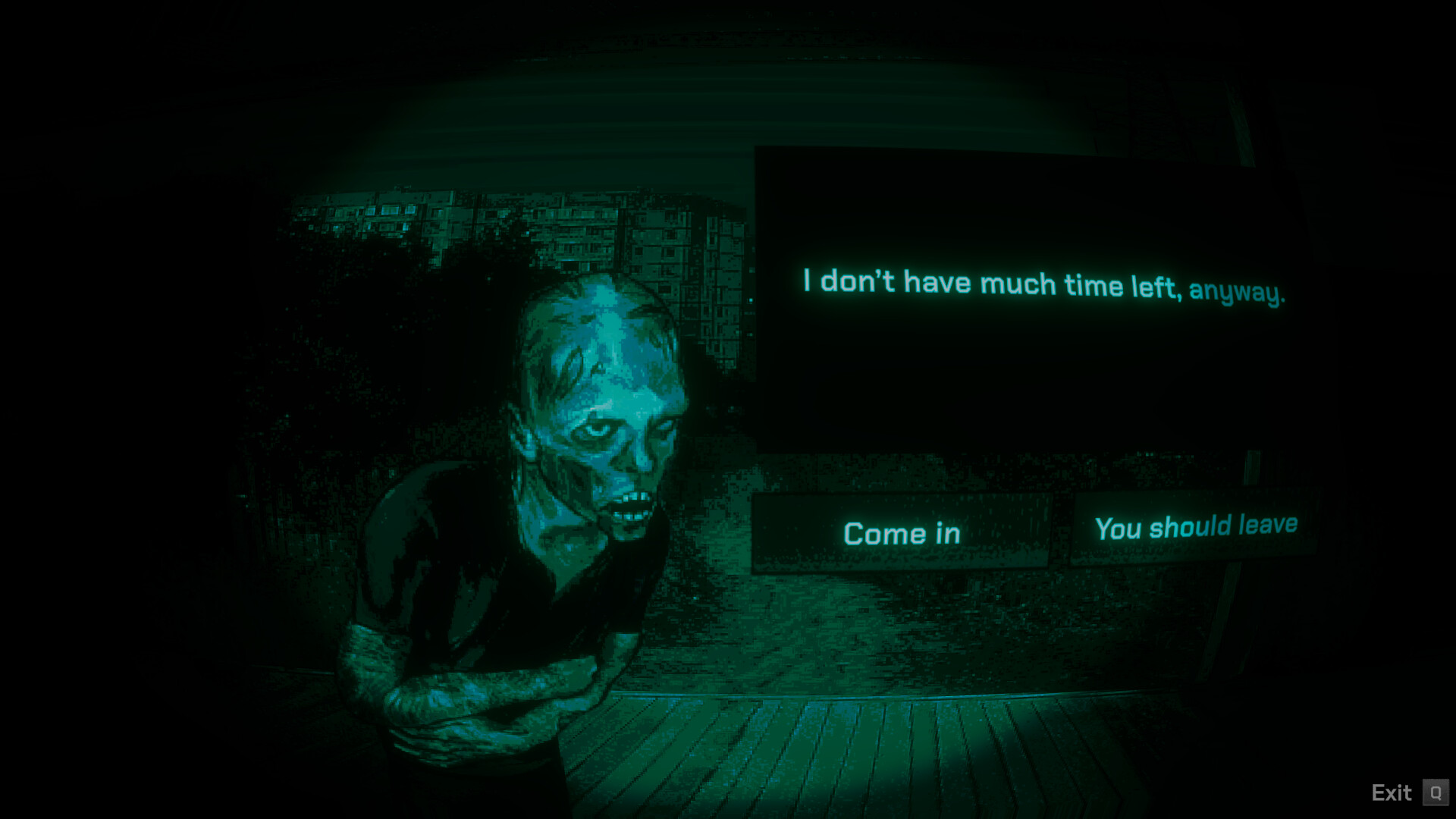
No, I'm not a Human No, I'm not a Human No, I'm not a Human unfolds in a world scorched by relentless daytime heat, where the sun has become humanity's enemy. By day, temperatures soar to lethal levels, forcing all life underground or into shelter. Only when darkness falls can people move safely outdoors, but this reprieve brings its own terror: entities known as Visitors that perfectly mimic human appearance and behavior.
You inhabit a small house on the outskirts of a dying town, one of the few structures still standing after society's collapse. Each night brings desperate knocks at your door from travelers seeking shelter. Your role is both protector and judge — you must decide who enters, who stays, and in the most dire circumstances, who lives. The psychological weight of these decisions forms the core of the horror experience.
No, I'm not a Human wiki: the game's setting draws from climate disaster anxieties and explores themes of trust, survival ethics, and the erosion of human connection under extreme circumstances. According to the Wikipedia article, the developers intentionally crafted a scenario where traditional moral frameworks collapse under survival pressure.
Core Game Mechanics
The Day-Night Cycle
Each 24-hour period in the game follows a rigid structure that mirrors the harsh realities of this post-apocalyptic world. Daytime is exclusively for preparation: examining current guests, managing resources, gathering intelligence from news broadcasts, and making strategic decisions about your household composition. The scorching sun makes outdoor movement impossible, creating a natural boundary for player activities.
When night falls, the real tension begins. This is when new visitors arrive, seeking entry to your sanctuary. You must make split-second decisions based on the information gathered during the day, knowing that a wrong choice could doom everyone under your roof. The night phase operates in real-time pressure, where hesitation itself becomes a strategic choice.
Information and Uncertainty
Unlike traditional horror games that rely on jump scares or action sequences, No, I'm not a Human builds tension through information management and uncertainty. Every piece of data you gather during the day — from physical examinations to behavioral observations — serves as a clue in the life-or-death puzzle you face each night.
The game deliberately introduces false positives and incomplete information. Humans can exhibit Visitor-like traits due to stress, injury, or coincidence. Conversely, Visitors have become sophisticated enough to suppress some of their tells. This creates a probabilistic decision-making environment where perfect information is impossible and gut instinct becomes as valuable as systematic analysis.
Daily Energy and Decision System
Energy Budget Management
Each day provides you with a limited energy pool that must be strategically allocated across various examination and maintenance activities. Energy expenditure follows a priority-based system where certain examinations (physical inspection, conversation analysis, background verification) consume different amounts of your daily allowance.
Experienced players develop sophisticated energy management strategies. High-yield examinations that can definitively identify Visitors are prioritized early in the day, while lower-certainty checks are reserved for when you have surplus energy. The system forces meaningful trade-offs: thorough examination of one suspicious guest might prevent you from adequately vetting others.
The News Broadcast System
Each morning begins with a news broadcast that introduces new "tells" — identifying characteristics that may indicate Visitor presence. These tells accumulate over time, building your knowledge base but also increasing the complexity of each examination. Early tells might focus on obvious physical abnormalities, while later broadcasts reveal subtle behavioral patterns or contextual inconsistencies.
The broadcast system serves both as tutorial progression and narrative device. As society collapses around you, the news reports become increasingly desperate and fragmented, reflecting the deteriorating state of the outside world. This gradual information reveal keeps gameplay fresh while building atmospheric tension through environmental storytelling.
Visitors and Tells System
Physical and Behavioral Identification
Visitor identification operates on multiple layers of evidence gathering. Physical tells include abnormalities in teeth formation, nail growth patterns, eye coloration, and skin texture. However, the game's sophistication lies in its behavioral and contextual tells: speech patterns that feel slightly off, inconsistencies in personal histories, reactions to specific stimuli, or timing of their arrival that correlates with known Visitor activity patterns.
The examination process itself requires careful attention to detail. Players must observe micro-expressions, listen for verbal inconsistencies, and note physical anomalies while managing their daily energy budget. Each examination method provides different types of information with varying degrees of reliability. Our comprehensive All Visitors guide breaks down each examination type and its strategic value.
False Positives and Human Variability
One of the game's most psychologically challenging aspects is the presence of false positives. Stressed humans may exhibit behaviors similar to Visitor tells. Injured survivors might show physical abnormalities that mimic Visitor characteristics. This ambiguity forces players to weigh probabilities rather than rely on certainties, creating moral complexity around each decision.
The game tracks your decision-making patterns and adjusts both the frequency and obviousness of tells accordingly. Players who rely too heavily on a single type of examination may find themselves facing scenarios where their preferred method provides inconclusive results, forcing adaptation and growth in strategic thinking.
Special Events and Encounters
FEMA Testing Visits
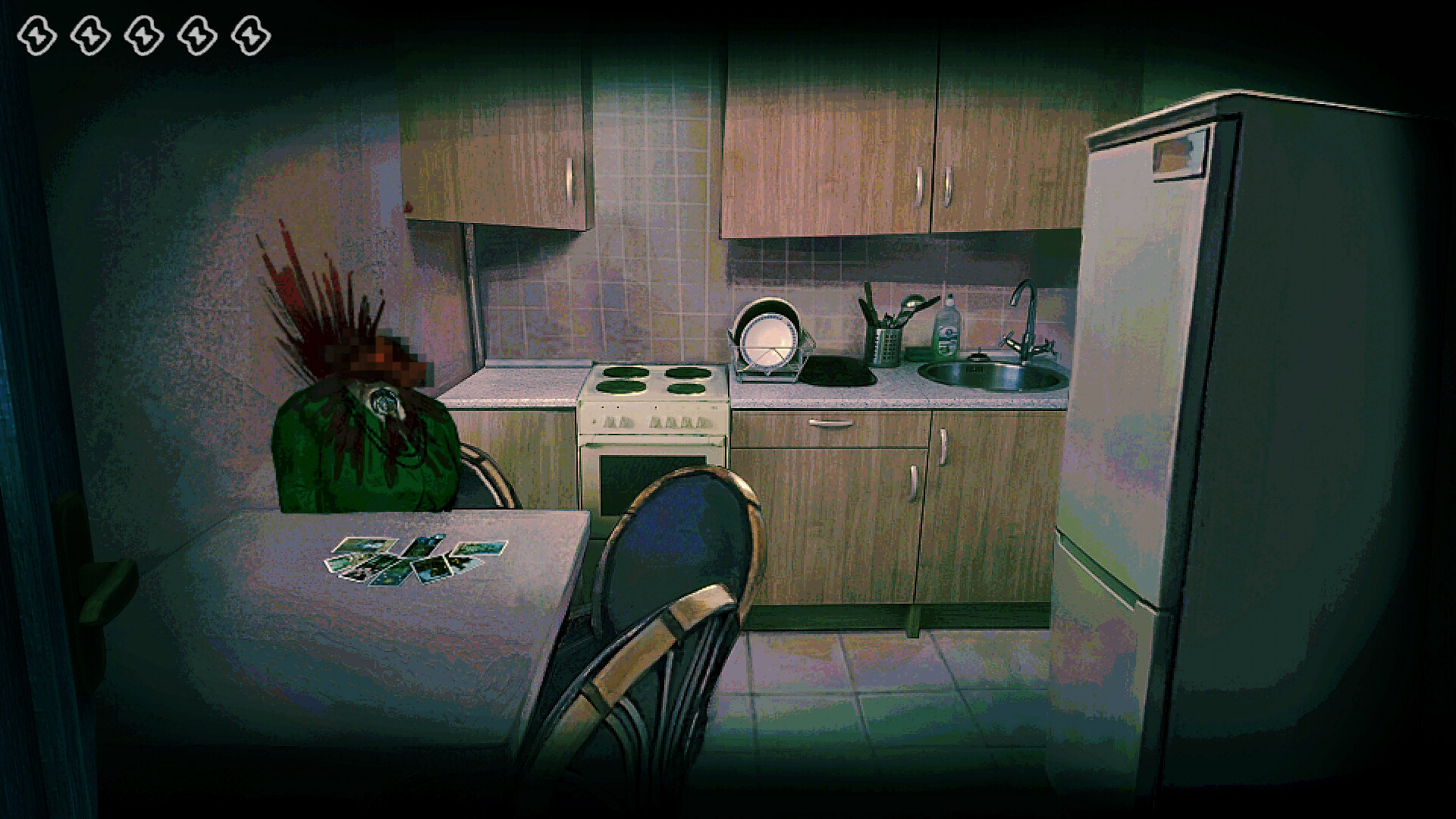
Among the most complex encounters in the game are visits from FEMA representatives who demand to test your guests for Visitor contamination. These encounters introduce ethical dilemmas beyond simple survival: complying may save your household from government suspicion but could result in the removal of valuable human allies. Refusing risks marking your location as non-compliant, potentially leading to forced evacuation or worse.
FEMA visits operate on their own timeline and follow specific protocols that players can learn to anticipate. The testing process itself provides information about your guests' true nature, but at the cost of potentially losing them entirely. Strategic players often use FEMA visits as a way to resolve uncertainty about questionable guests, though this approach carries significant risks. Our detailed FEMA Notice guide provides comprehensive coverage of timing, outcomes, and response strategies.
Intruders and Vigilantes
Beyond standard nightly visitors, the game features special encounter types that test different aspects of your preparation and decision-making. Intruders bypass the normal examination process by forcing entry, requiring immediate physical confrontation. Vigilantes arrive with their own suspicions about your household, potentially targeting guests you've already cleared as human.
These encounters serve as stress tests for your household management strategies. A house with too few reliable humans becomes vulnerable to forced entries, while a house with poorly vetted occupants may attract vigilante attention. Both encounter types require different response strategies and can significantly impact your available ending paths.
Progression and Multiple Endings
Ending Determination Factors
The game's conclusion depends on the intersection of several key factors: the presence or absence of Visitors within your household, the number of surviving humans, your protagonist's mental and physical state, and the specific choices made during critical story moments. Unlike linear horror games, No, I'm not a Human features multiple distinct endings that reflect the cumulative weight of your decisions throughout the playthrough.
Ending progression follows a branching logic system where early decisions create constraints and opportunities for later choices. A household that becomes too isolated (no human allies) faces different ending possibilities than one that successfully maintains a community. Similarly, allowing Visitor infiltration creates cascading consequences that fundamentally alter available resolution paths.
Save System and Replayability
The game implements a checkpoint-based save system designed to preserve decision weight while preventing excessive trial-and-error optimization. Players cannot easily reload individual choices, encouraging commitment to decisions and acceptance of consequences. This system design reinforces the game's themes around irrevocable choices and living with uncertainty.
Multiple playthroughs reveal different aspects of the Visitor threat and story background. Early runs focus on learning basic identification techniques and survival strategies, while subsequent playthroughs allow for experimentation with different household management approaches and ending exploration. Our comprehensive endings guide provides spoiler-controlled information for players seeking specific outcomes.
Advanced Strategies and Community Insights
Energy Optimization Techniques
Veteran players have identified several energy management patterns that significantly improve survival rates and ending accessibility. Priority examination sequences that maximize information gain per energy point spent, guest rotation strategies that maintain household safety while preserving examination opportunities, and risk assessment frameworks that help players make consistent decisions under uncertainty.
Advanced energy management involves understanding the relative value of different examination types across varying guest profiles. Physical examinations provide high-certainty results but consume significant energy. Conversational analysis offers subtle clues at lower energy cost but requires developed pattern recognition skills. Background verification can reveal contextual inconsistencies but depends on accumulated knowledge from previous encounters.
Community-Discovered Techniques
The Steam Community hub has become a repository for advanced strategies and edge case management. Players have documented optimal examination orders for different energy budgets, identified subtle Visitor behavioral patterns not covered in official guides, and developed risk management frameworks for handling ambiguous cases.
Recent community discoveries include methods for maximizing useful information from FEMA visits, techniques for maintaining household stability during extended Visitor infiltration periods, and ending optimization strategies for players seeking specific narrative outcomes. These community insights are regularly summarized and verified in our updates section.
Getting Started Resources
New players benefit most from understanding the game's unique decision-making framework before diving into specific tactical guides. Unlike action-oriented horror games, success in No, I'm not a Human depends on information synthesis, risk assessment, and acceptance of uncertainty. The learning curve focuses on developing judgment skills rather than mechanical mastery.
We recommend beginning with our All Visitors compendium to understand the basic identification framework, then progressing to the endings guide for strategic goal-setting. Advanced players should review our FEMA encounter analysis and follow our updates timeline for the latest community discoveries and official patches.